
Recognizing Symptoms of Anxiety and Stress: Your Guide to Understanding and Healing
- Anca Bitir
- Nov 24, 2025
- 4 min read

Anxiety and stress can feel like invisible weights pressing down on your chest, making even the simplest tasks seem overwhelming. You might find yourself asking, Why do I feel this way? or Is this normal? I want you to know that recognizing the symptoms of anxiety and stress is the first courageous step toward reclaiming your peace and joy. Together, we’ll explore how these feelings manifest, what signs to watch for, and how you can begin to navigate your way toward lasting relief.
Understanding Anxiety and Stress Symptoms: What to Look For
Anxiety and stress often sneak into your life quietly, disguising themselves as everyday worries or fatigue. But when these feelings persist or intensify, they can affect your body, mind, and spirit in profound ways. Here are some common symptoms you might notice:
Physical symptoms: Rapid heartbeat, muscle tension, headaches, stomach discomfort, or unexplained aches.
Emotional symptoms: Feeling restless, irritable, overwhelmed, or on edge.
Cognitive symptoms: Difficulty concentrating, racing thoughts, or constant worry.
Behavioral symptoms: Avoiding social situations, procrastinating, or changes in sleep and appetite.
Imagine your body as a finely tuned instrument. When anxiety and stress strike, it’s like the strings are out of tune, creating discord instead of harmony. Recognizing these signs early can help you retune your life before the noise becomes unbearable.

Journaling your feelings and physical sensations daily can be a powerful way to spot patterns. For example, you might notice your heart races before a meeting or your stomach tightens when you think about a deadline. These clues are your body’s way of communicating, and listening to them is the first step toward healing.
How Anxiety and Stress Symptoms Affect Your Daily Life
When anxiety and stress take hold, they don’t just stay in your mind - they ripple through every part of your day. You might find yourself:
Struggling to get out of bed in the morning.
Feeling exhausted even after a full night’s sleep.
Experiencing mood swings that confuse you and those around you.
Losing interest in activities you once loved.
Feeling isolated, even when surrounded by people.
These symptoms can create a cycle that feels impossible to break. But here’s the truth: you are not alone, and these feelings do not define you. They are signals that your mind and body need care and attention.
One practical way to manage these symptoms is to create a daily routine that includes small, manageable self-care activities. This could be as simple as a five-minute breathing exercise, a short walk outside, or a moment of gratitude. These small acts can build resilience and help you regain control.
Identifying Emotional Blocks and Their Impact
Sometimes, anxiety and stress are not just about what’s happening around you but what’s trapped inside. Emotional blocks can feel like invisible walls that prevent you from moving forward. They might stem from past experiences, unresolved trauma, or deep-seated fears.
You might notice emotional blocks when you:
Feel stuck in the same negative thought patterns.
Avoid certain topics or memories because they cause discomfort.
Experience sudden emotional outbursts without clear triggers.
Find it hard to trust others or open up about your feelings.
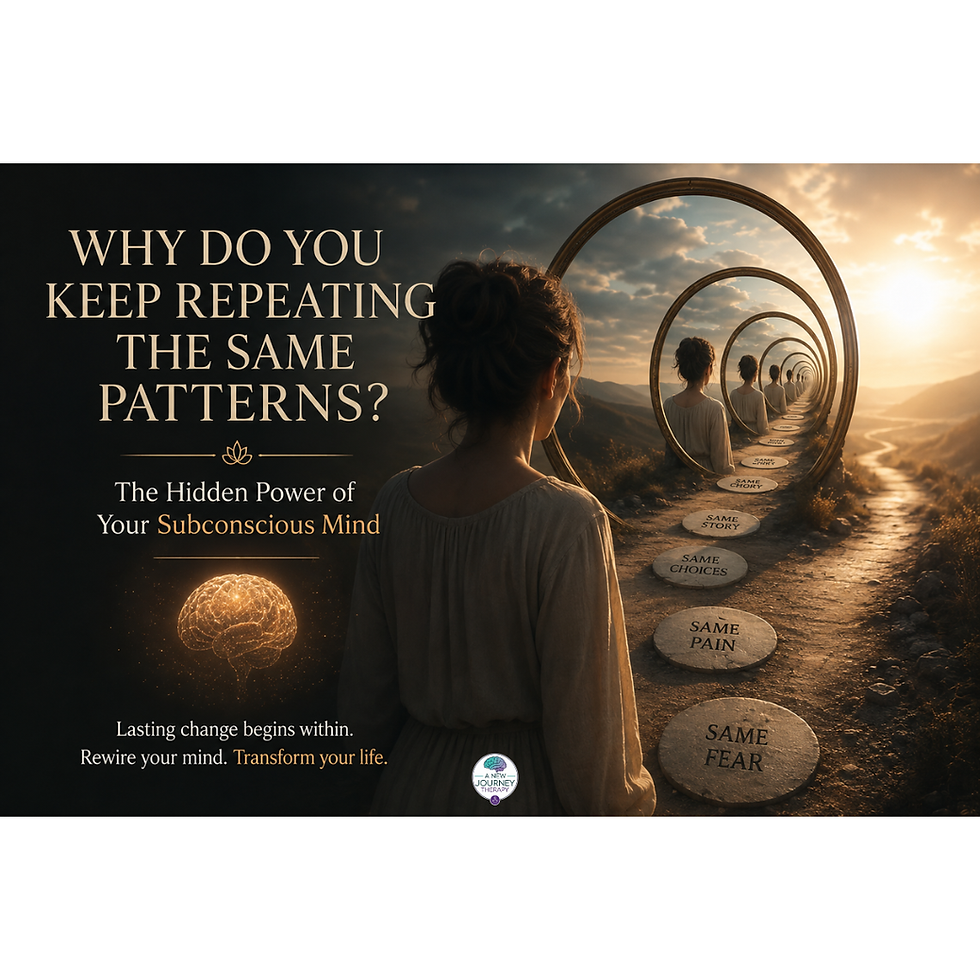
Think of emotional blocks as knots in a rope. The more you tug without addressing the knot, the tighter it becomes. But with gentle, focused attention, these knots can be untied, freeing you to move forward with ease.

Seeking support from a trusted therapist or counselor can be a transformative step. They can help you gently unravel these knots, guiding you toward deep, lasting transformation. Remember, healing is not about rushing but about honoring your unique journey.
Practical Steps to Recognize and Manage Symptoms
Recognizing symptoms is empowering, but what comes next? Here are some actionable steps you can take right now:
Tune into your body: Pay attention to physical sensations like tension, headaches, or fatigue. These are often the first signs of stress.
Track your emotions: Use a journal or app to note when you feel anxious or stressed and what might have triggered it.
Practice mindfulness: Simple breathing exercises or meditation can help calm your mind and reduce symptoms.
Set boundaries: Learn to say no to additional stressors and prioritize your well-being.
Reach out: Don’t hesitate to connect with a mental health professional who can provide guidance tailored to your needs.
Remember, these steps are not about perfection but progress. Each small action you take is a victory on your path to freedom.
Embracing a New Journey Toward Freedom and Fulfillment
Recognizing anxiety and stress symptoms is not just about managing discomfort - it’s about opening the door to a new way of living. Imagine waking up feeling lighter, more grounded, and ready to embrace each day with confidence. This is possible when you commit to understanding your inner world and seeking the support you deserve.
At A New Journey Therapy, the goal is to help you achieve deep, lasting transformation by getting to the root cause of your issues. You don’t have to feel like you’ve tried everything else and failed. There is a path forward, and it begins with recognizing your symptoms and choosing to take that first step.
You might wonder, Can I really change? The answer is a heartfelt yes. Change is not only possible - it’s waiting for you. By tuning into your body, mind, and emotions, you can unlock the freedom and fulfillment you’ve been longing for.
If you want to learn more about how to identify and manage anxiety and stress symptoms, consider visiting A New Journey Therapy for resources and support tailored to your unique experience. Your journey to healing starts now.


Comments